Menu
Your Cart

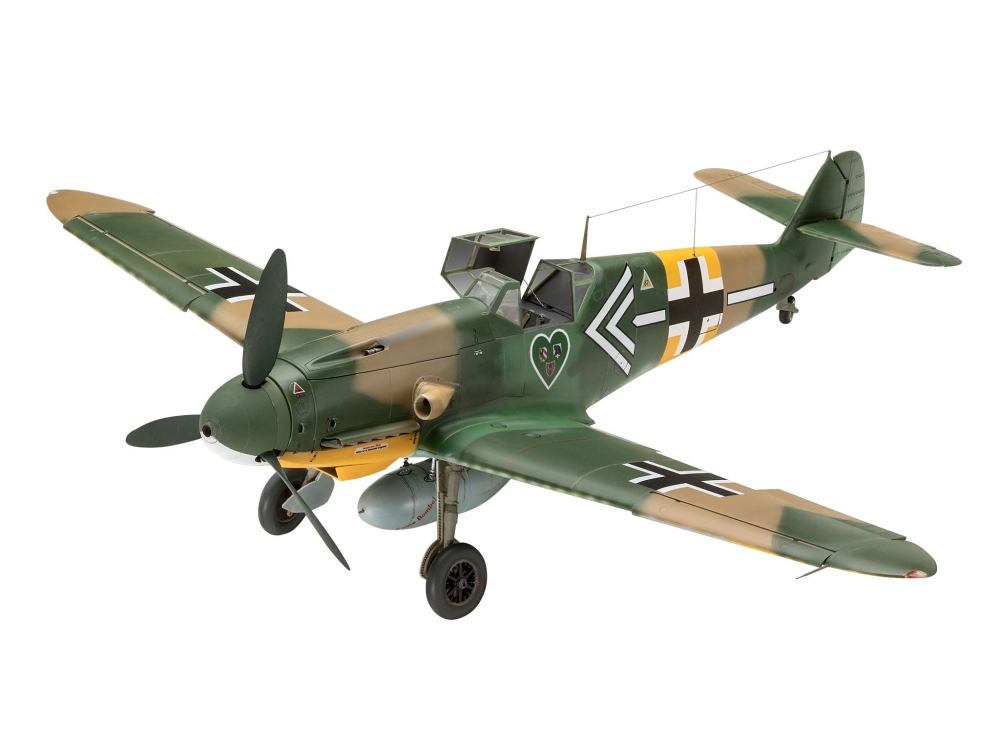
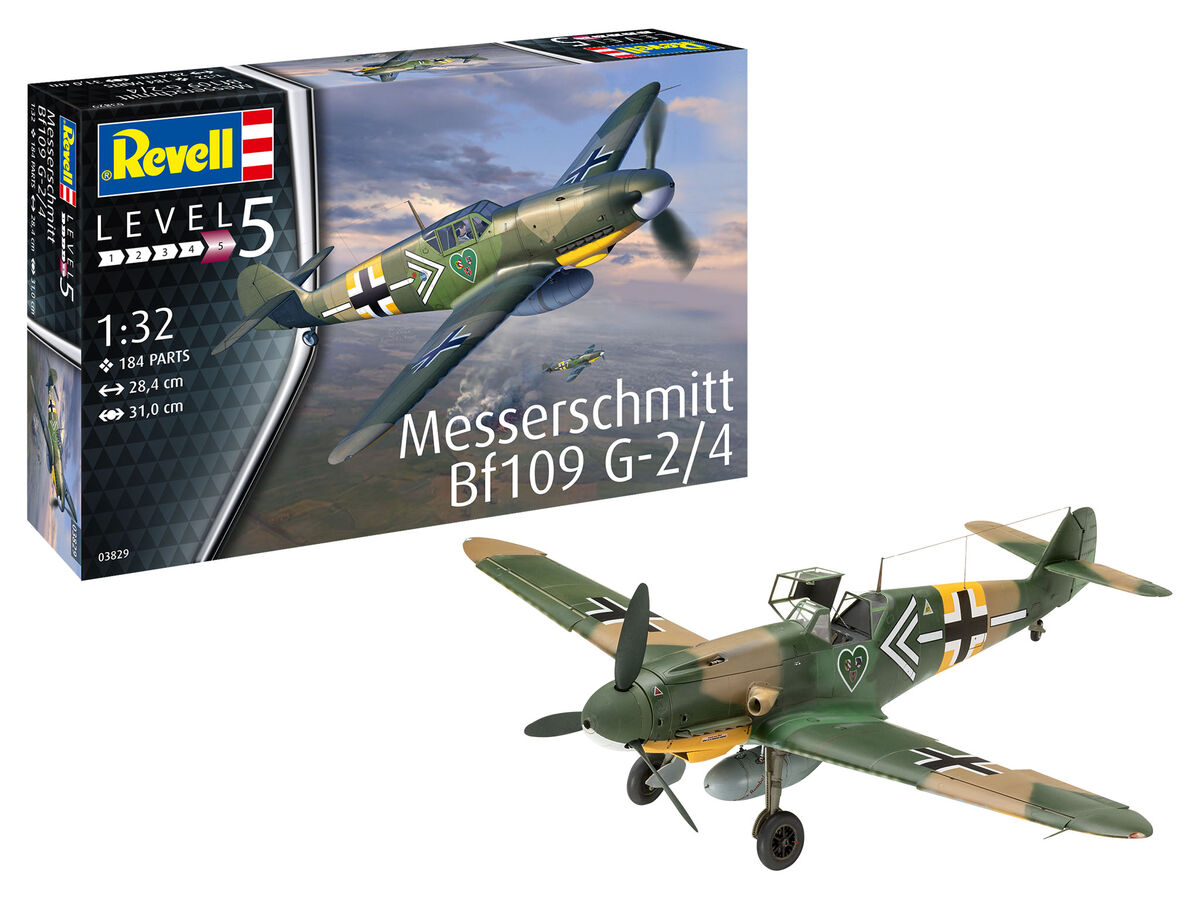
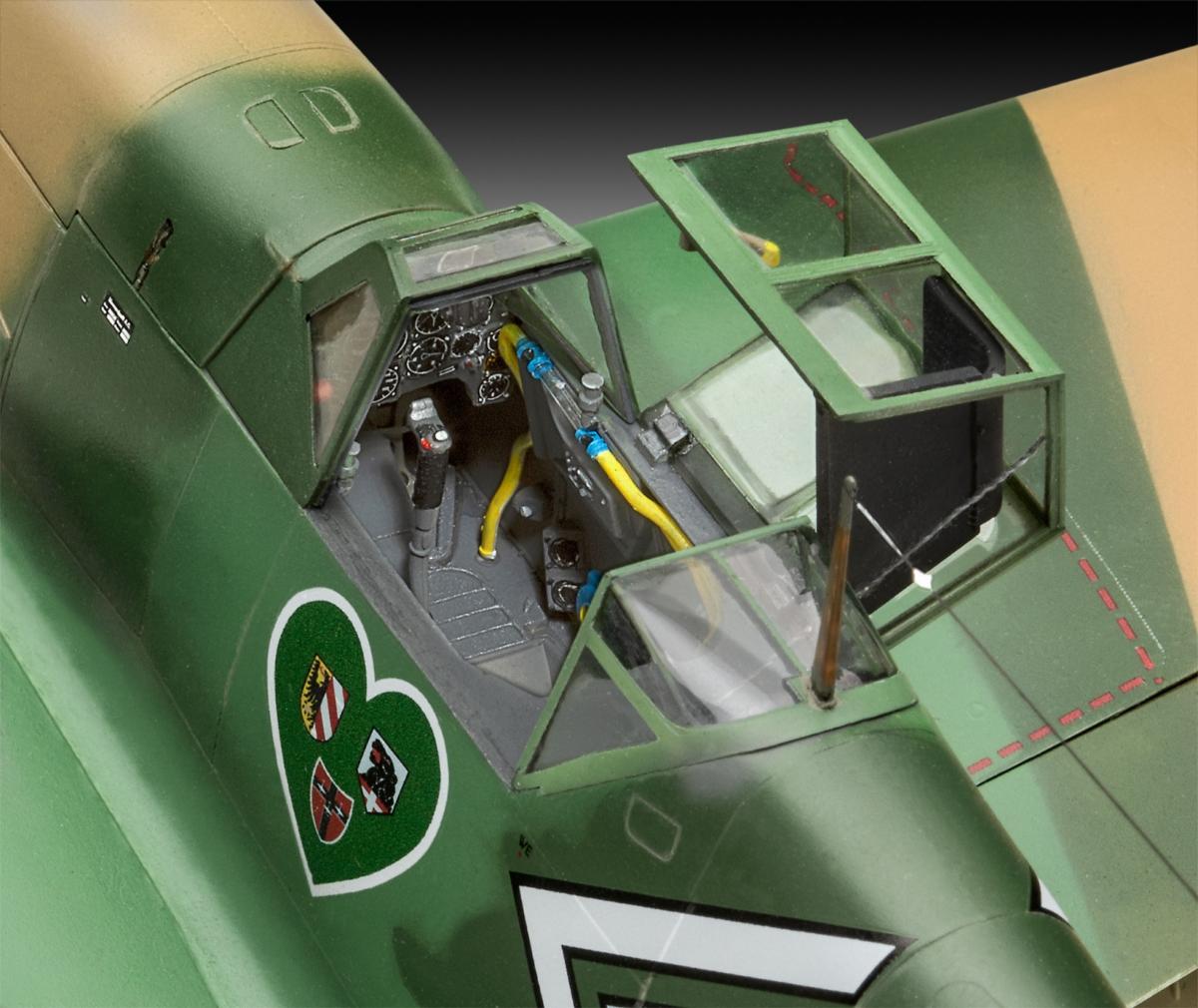
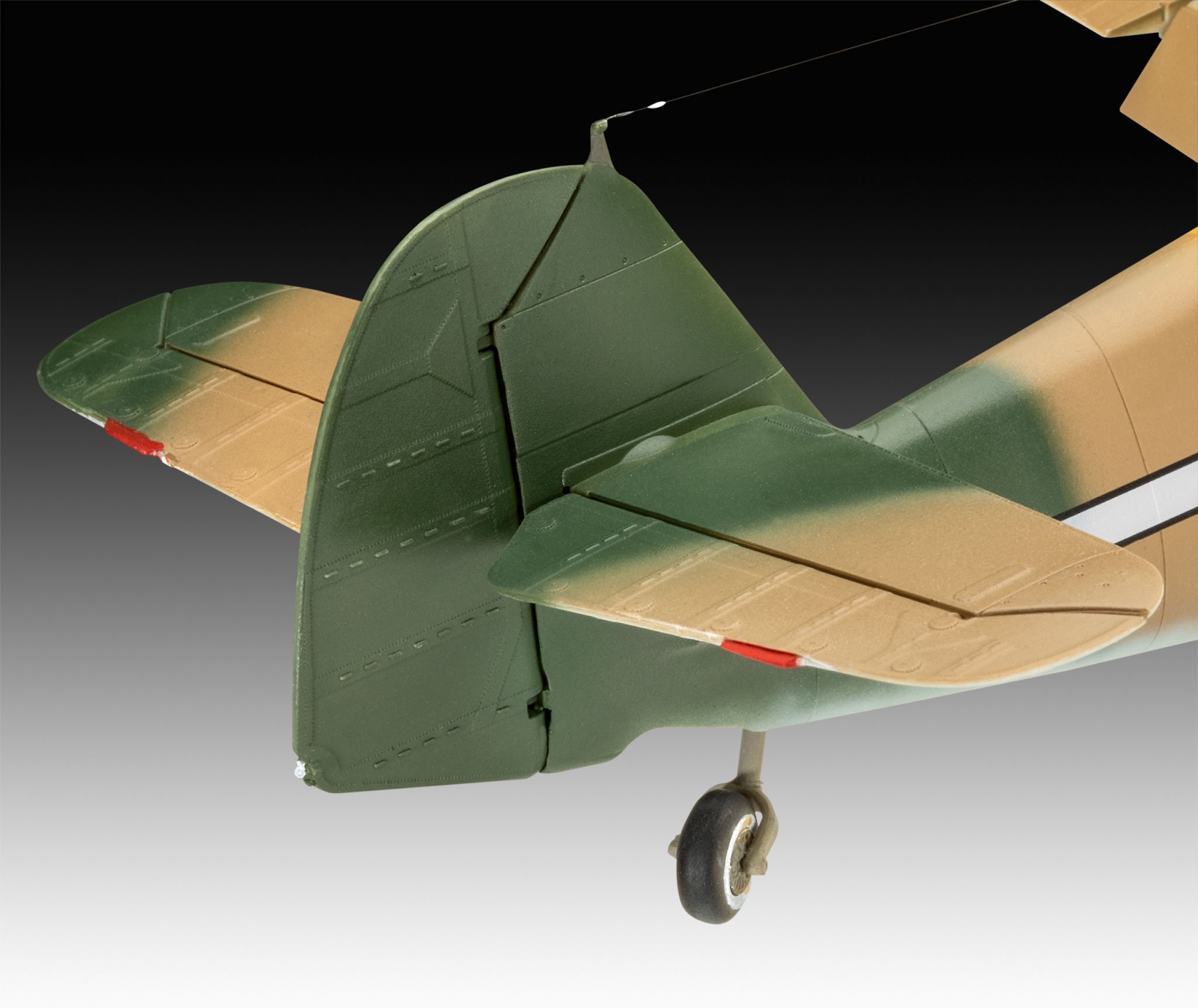
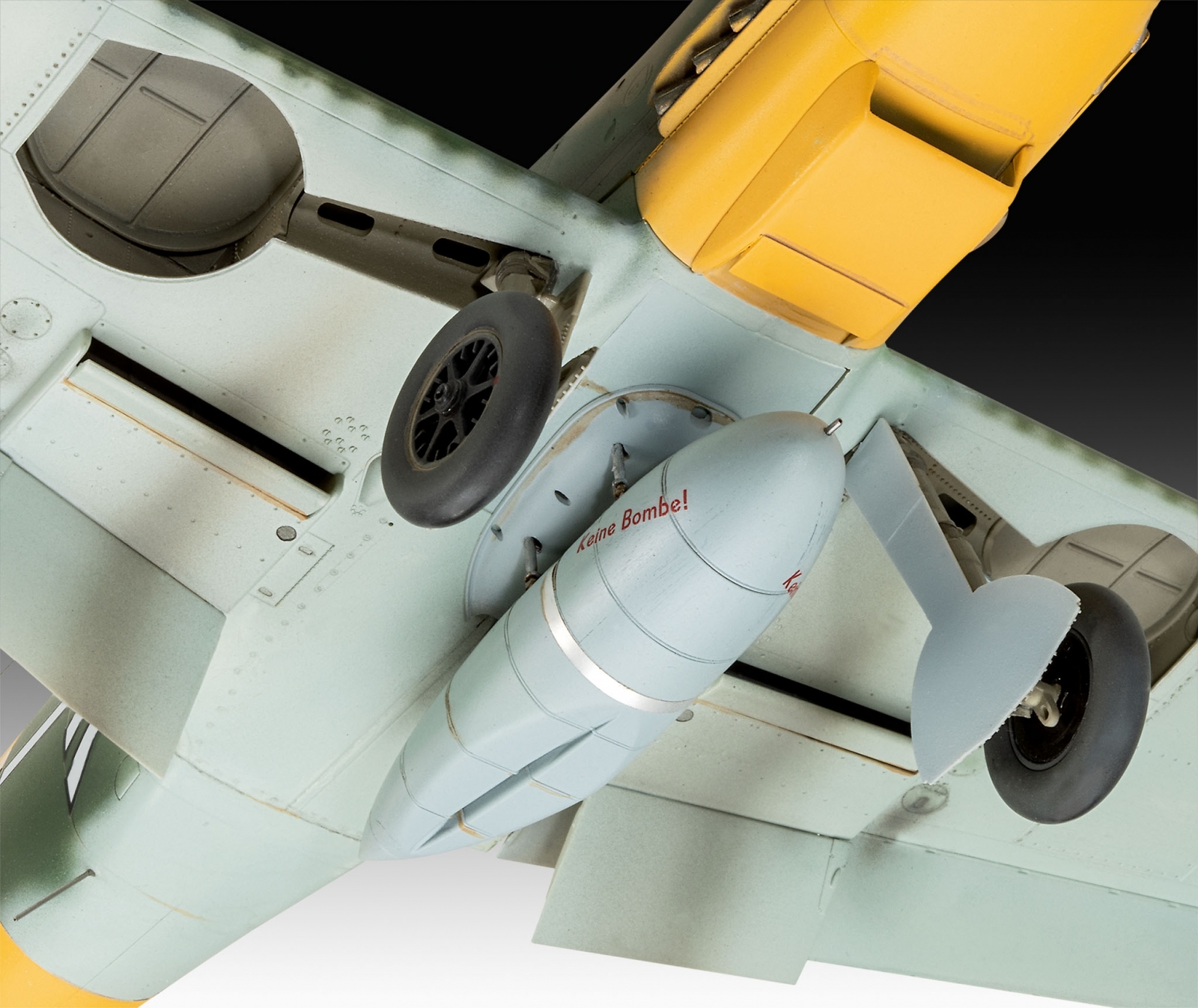
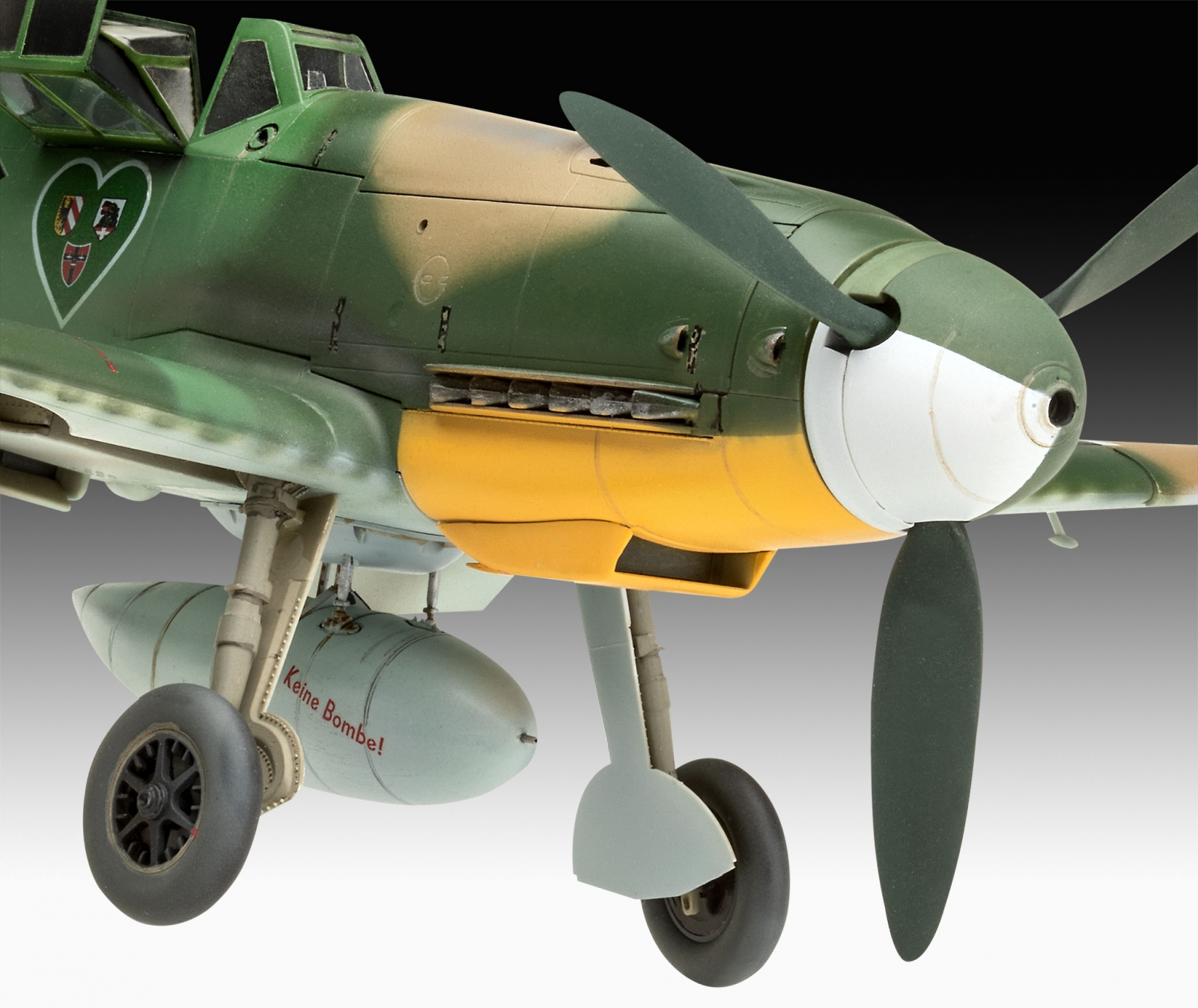
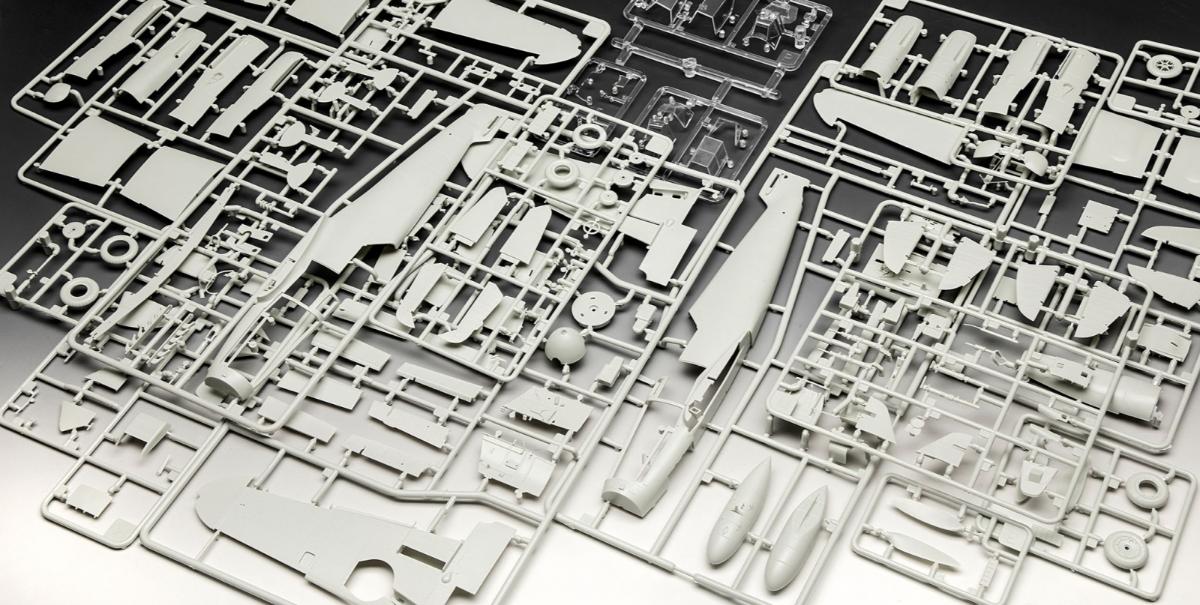
Assembly model German fighter Messerschmitt Bf109G-2/4, 184 parts

Сглобяем модел Немски изтребител Messerschmitt Bf109G-2/4, 184 части
Assembly model German fighter Messerschmitt Bf109G-2/4, 184 parts
35.20€ (68.85лв.)
  • Stock: In Stock
  • Brand: Revell
  • Product code: SB-R03829
✨ MagicAI: Last inventory update: 10-06-2026
Expected delivery date : Thursday 11 June 2026 - Monday 15 June 2026

*Dates are valid only for deliveries in Bulgaria. For EU deliveries dates may vary
Fast delivery
95% of orders arrive within one day.
Quality
Our products are best quality
Convenient payment
With card, Apple Pay/Gpay, or by bank transfer
Possible return
14 days in case something is wrong.

Description

Assembled model, Revell, German fighter Messerschmitt Bf109G-2/4, 184 parts

R03829


68.90

Gender: M
Age: over 12 years.
The Messerschmitt Bf-109 is a German single-engine, all-metal fighter in a low-wing, classic tail configuration. It turned out to be the Luftwaffe's main and most produced fighter during World War II. The prototype flight took place on May 29, 1935, and series production continued from 1936 to 1945. In total, it is estimated that a total of about 35,000 Messerschmitt Bf-109 fighters of all varieties were produced, many of which ended up in the Czech and the Israeli Air Force after the war. The roots of the Bf-109 go back to the competition announced in 1933 by the Luftwaffe for a new combat aircraft. In competition with the He-112, the Bf-109 project initially lost, but thanks to the intrigues of Willy Messerschmitt, the project was able to continue and eventually it won the competition, becoming the Luftwaffe's main fighter. During the course of production, several basic variants of the Bf-109 were developed. The first pre-production series was the Bf-109B (Berta) with various versions of the Junkers Jumo 210 (A or Da) engine. They have been tested in Spain since 1937 during the Civil War. The next version was the Bf-109C (Caesar). They had a different engine to the B version and an extensive armament consisting of two 20mm and 2 HP 7.92mm guns. These machines also fought in the skies of Spain. The third version is the Bf-109D (Dora) with the Junkers Jumo 210 Da or Daimler-Benz DB 600 engine. It fought in the September campaign, but was replaced by the E version at the beginning of 1939/1940. The most famous model is the Bf-109E (Emil) with a Daimler-Benz 601A or N engine. It was the first to use a three-bladed rather than a two-bladed propeller. The Bf-109E fought in the French campaign over England, in North Africa and on the Eastern Front. The ace who began his career on the Bf-109E was the famous Adolphe Galland. The next version is the Bf-109F (Friedrich), which, according to German pilots, is the most aerodynamically perfect. It featured a reshaped fuselage, wings, and cabin fairings, but no new engine was used. It entered service in early 1940/1941. As part of the design development, additional Bf-109 specifications were developed, of which the G (Gustav) version was produced in the largest number of copies. The most important change increasing the performance of the machine was the installation of a new Daimler-Benz DB605A 12-cylinder engine with 1475 hp. Armament on the Bf-109G was a pair of 13mm machine guns located in the fuselage forward of the cabin fairing, and the 20mm or heavier MG151 MK108 30mm gun. The last mass-produced version was the Bf-109K (Kurfirst), whose production began in October 1944. The Daimler-Benz DB 605DB or DC unit was used as the engine. The Bf-109K was the fastest version produced during World War II, reaching up to 730 km/h. Separately, two versions were created - H and Z, but they were rather experimental versions and their mass production did not start. Subsequent improvements in propulsion and armament made the Messerschmitt Bf-109 one of the most dangerous fighters of World War II, and at the same time showed the enormous potential of the slightly angular design of the aircraft created by Willy Messerschmitt. Technical data (Bf-109 G-6 version): length: 8.95 m, wingspan: 9.92 m, height: 2.6 m, maximum speed: 640 km/h, rate of climb: 17 m/ sec, maximum range: 850 km, maximum ceiling 12000m, armament: fixed - 2 MG131 13mm machine guns and 1 MG151 20mm cannon, suspended - 250 kg bombs, or 2 Wfr rocket launchers.


Scale: 1:32
Size of the finished model: 28.4 x 31 cm
Difficulty level: 5
Number of parts: 184
Material: plastic
Assembly and painting required